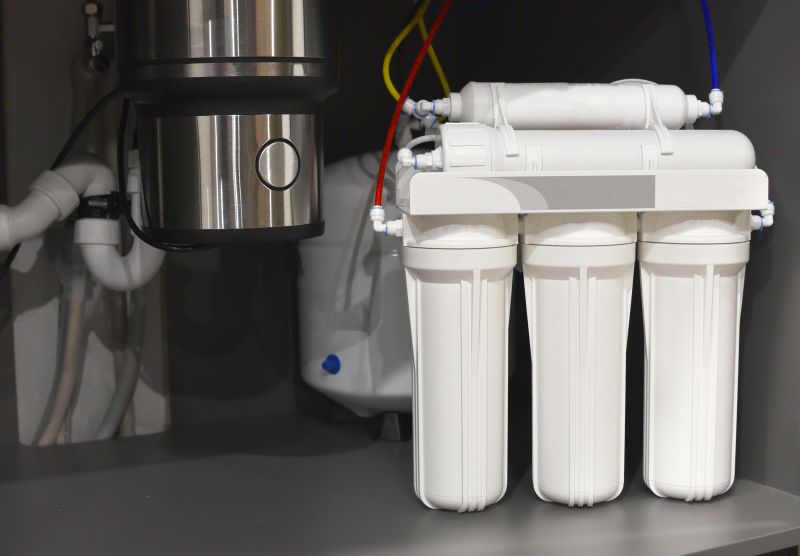
Carbon Filter Installation in Denver, CO
Carbon filter installation services are designed to improve indoor air quality by removing odors, gases, and airborne pollutants through specialized filtration systems. These services typically cover projects such as upgrading existing air filtration setups, installing new filters in HVAC systems, or setting up standalone units for homes experiencing persistent odors or chemical sensitivities. Property owners often want to understand the types of filters available, how they integrate with current ventilation systems, and the benefits of enhanced air purification for health and comfort.
Before requesting carbon filter installation, property owners should consider factors like the size of the space, the specific contaminants they want to target, and compatibility with existing HVAC equipment. It’s also helpful to understand the maintenance requirements of different filter types and the expected lifespan of the filters used. Clarifying these details can ensure the chosen system effectively addresses indoor air concerns and fits within the property's overall ventilation and air quality strategy.
Many property owners in Denver, CO look into Carbon Filter Installation for repairs, replacements, upgrades, and appearance-related improvements.
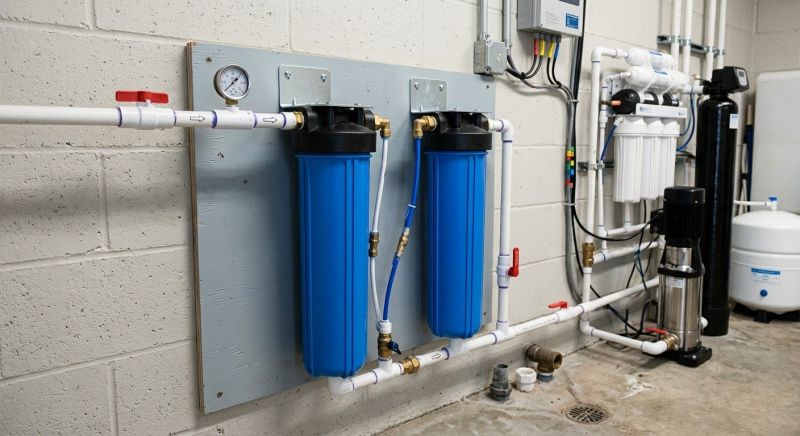
Benefits Of Carbon Filter Installation
Improves indoor air quality by removing odors and airborne contaminants.
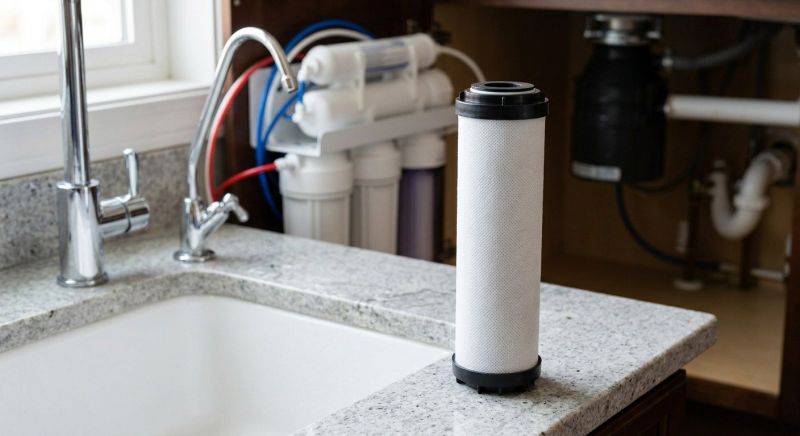
Common Application Areas
Ideal for homes, offices, and commercial spaces in denver to ensure cleaner air.
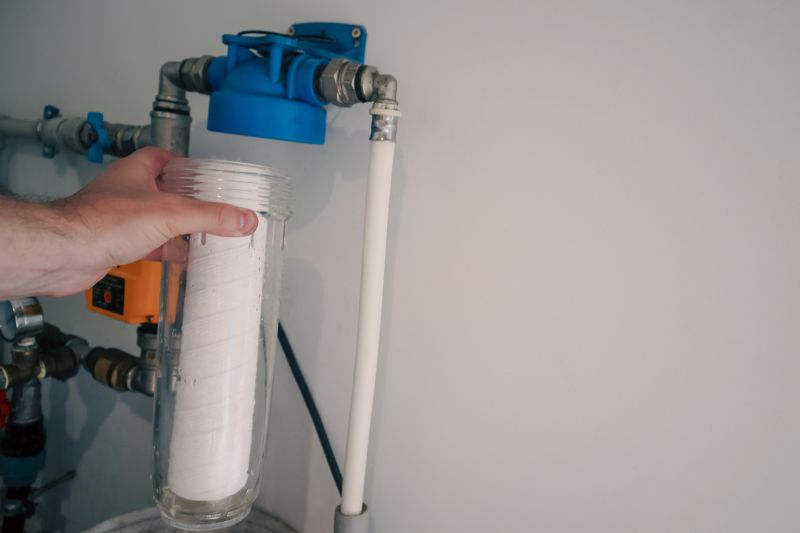
Maintenance And Replacement
Regular filter changes are essential to maintain optimal performance and air purity.
Carbon Filter Installation in Denver, CO

Carbon filter installation services are designed to improve indoor air quality by removing odors, gases, and airborne pollutants through specialized filtration systems. These services typically cover projects such as upgrading existing air filtration setups, installing new filters in HVAC systems, or setting up standalone units for homes experiencing persistent odors or chemical sensitivities. Property owners often want to understand the types of filters available, how they integrate with current ventilation systems, and the benefits of enhanced air purification for health and comfort.
Before requesting carbon filter installation, property owners should consider factors like the size of the space, the specific contaminants they want to target, and compatibility with existing HVAC equipment. It’s also helpful to understand the maintenance requirements of different filter types and the expected lifespan of the filters used. Clarifying these details can ensure the chosen system effectively addresses indoor air concerns and fits within the property's overall ventilation and air quality strategy.
Many property owners in Denver, CO look into Carbon Filter Installation for repairs, replacements, upgrades, and appearance-related improvements.
Common Carbon Filter Installation Jobs
Residential homes - carbon filter installation helps improve indoor air quality by removing airborne contaminants.
HVAC systems - integrating carbon filters into existing heating and cooling units enhances odor and pollutant control.
Commercial properties - installing advanced carbon filters supports healthier indoor environments for employees and visitors.
Air purification upgrades - adding carbon filters to existing systems reduces odors from cooking, pets, and smoke.
Retrofit projects - upgrading older ventilation systems with carbon filters improves air cleanliness and freshness.
Custom filtration solutions - tailored carbon filter installations address specific air quality concerns in various property types.
Carbon Filter Installation Questions
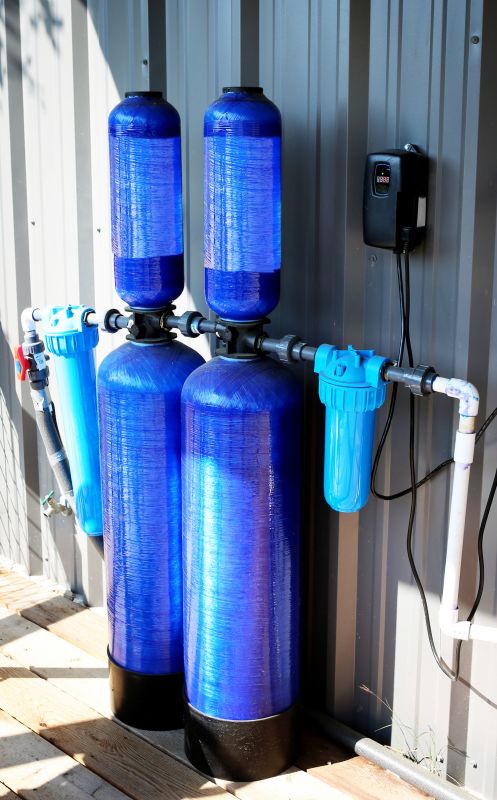
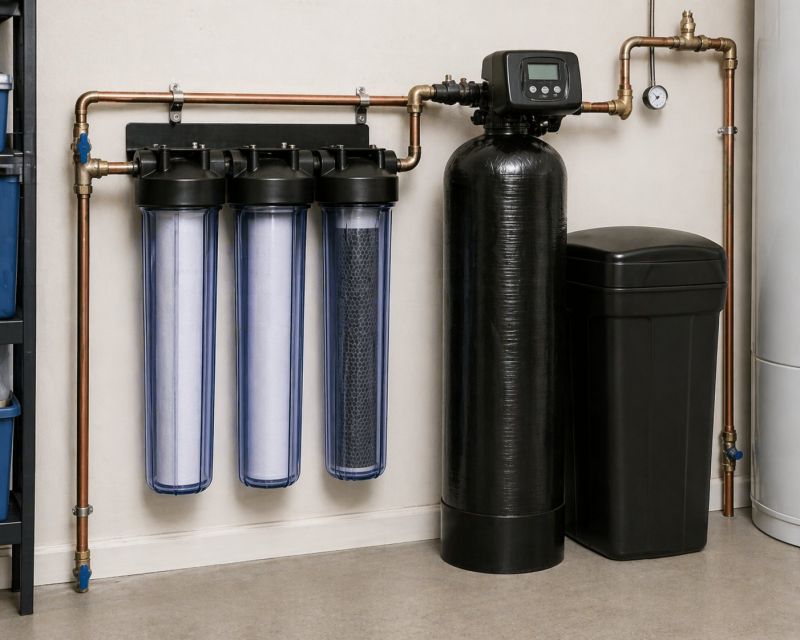
What is a carbon filter used for? A carbon filter helps remove odors, airborne pollutants, and contaminants from indoor air or water systems, improving overall air and water quality.
Where can carbon filters be installed? They are commonly installed in HVAC systems, kitchen exhausts, water purification units, and commercial air filtration setups.
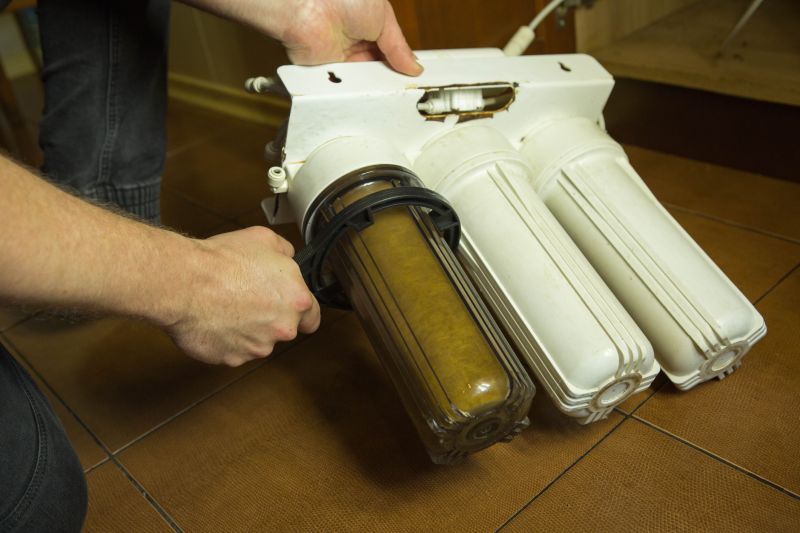
How often should a carbon filter be replaced? Replacement frequency depends on usage, but generally, filters should be changed every 6 to 12 months for optimal performance.
What are signs a carbon filter needs replacement? Reduced odor absorption, increased odors, or decreased airflow are common indicators that a filter is no longer effective and needs replacing.
Request Carbon Filter Installation in Denver, CO
Use the quote form on this page to share the basics of your project and request more information for the type of work you need.